Notice the repeated interruption
I paid attention to the moment when cooking became irritating: searching for a lid, clearing a work surface or discovering that a basic ingredient had run out. These were small problems, but they arrived when energy was already low. Rearranging a drawer addressed them more directly than buying another appliance.
Organise around the task
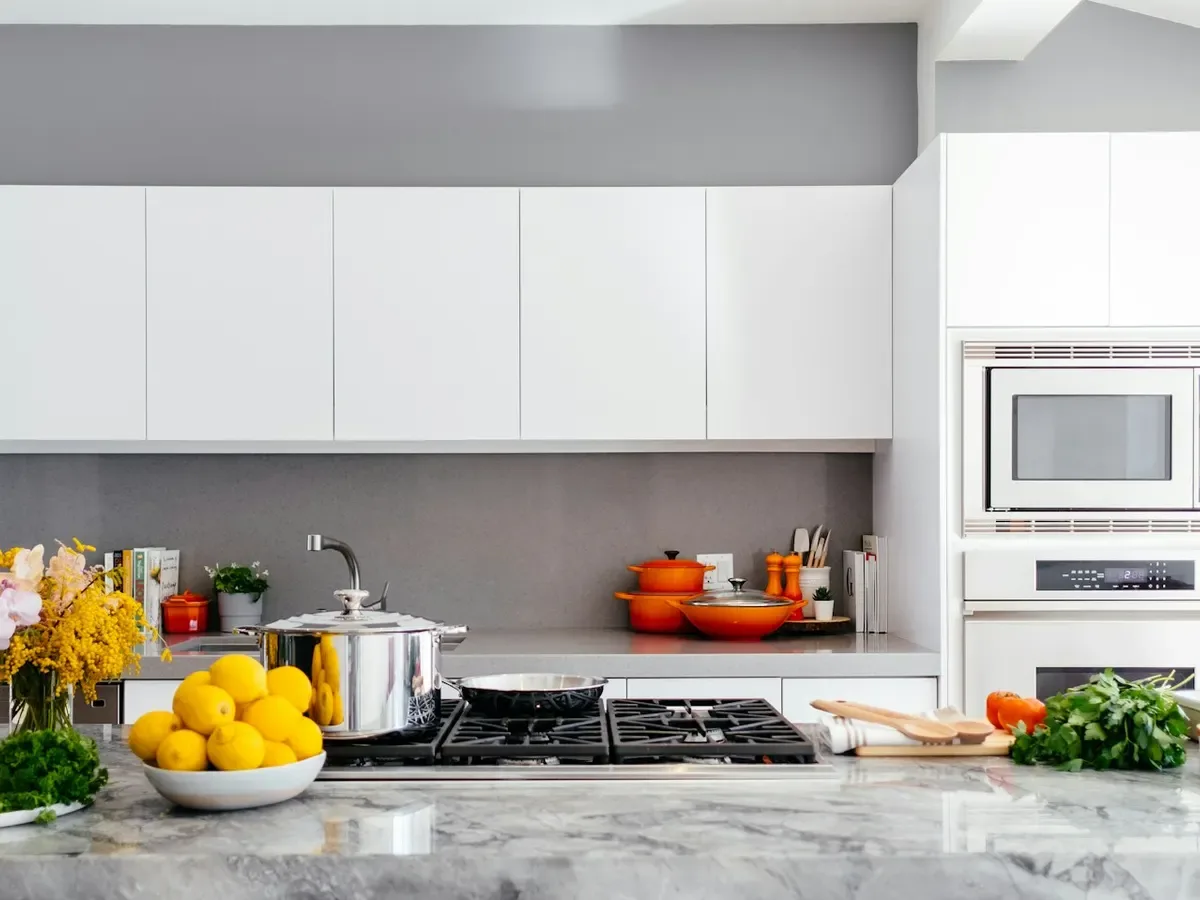
The chopping board, knife and bowls now live near the preparation area. Coffee equipment stays together, and food containers have matching lids. A tidy kitchen is not necessarily an empty kitchen. It is one where the next ordinary action can happen without moving half the room out of the way.
Keep a short reserve
A few shelf-stable ingredients and safe freezer options make an unplanned evening easier. Choose foods you actually use and rotate them rather than building a collection for an imaginary future routine. Check storage guidance and dates. A reserve is useful when it becomes dinner, not when it fills the back of a cupboard.